
Roof capital plans for multi-plant manufacturers.
Several plants, one roof budget. Rank roofs by condition and risk to operations, then plan restoration, recoats and replacement around shutdown windows. For one plant’s roof and floor, see manufacturing roofs and floors.
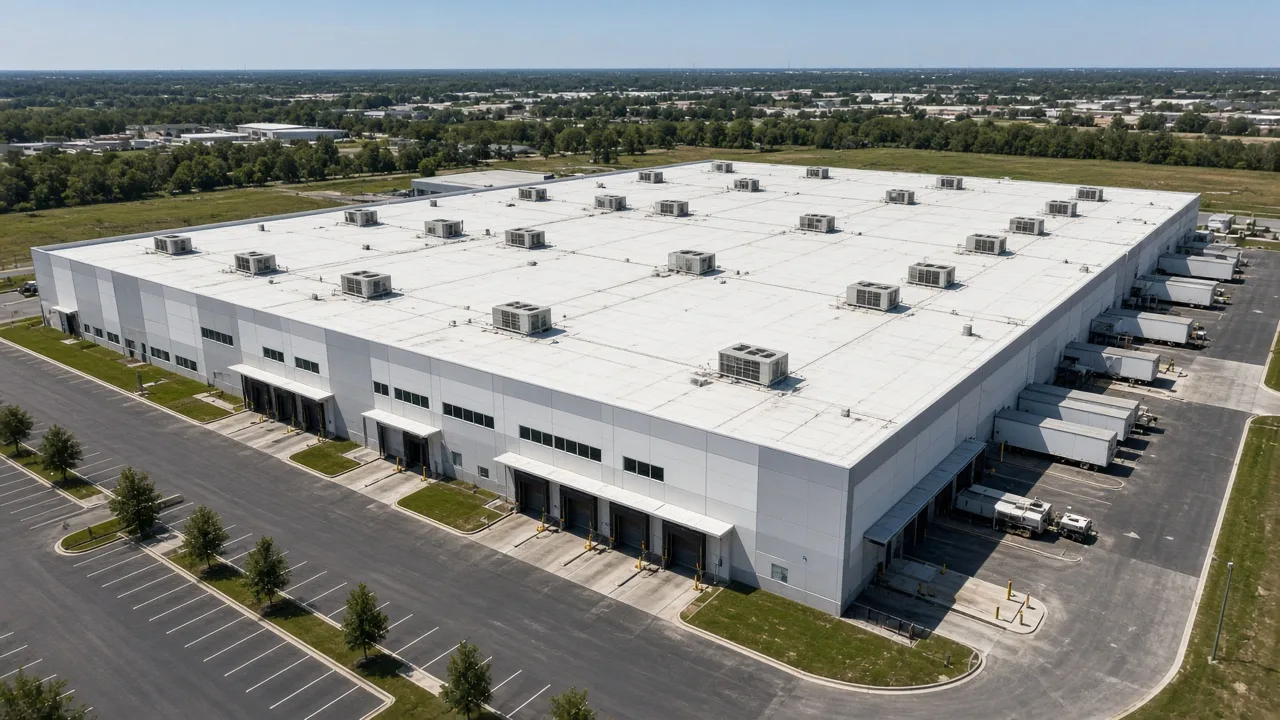
Planning priorities
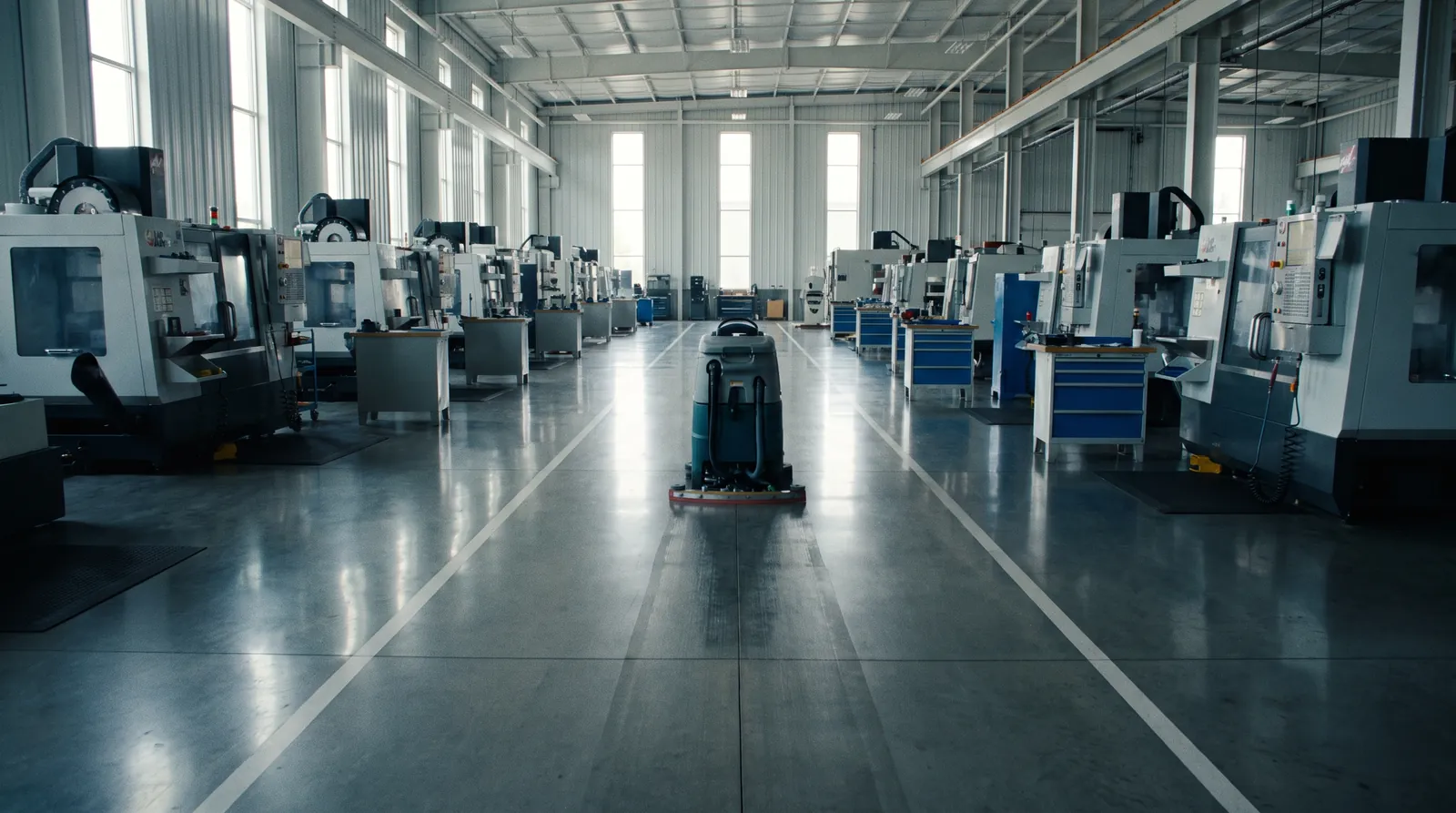
Roof and floor at a single plant?
This page is for planning roofs across several plants. For roof and floor work at one plant, phased around the line, see manufacturing plant roofs and floors.
Use the roof portfolio planner to rank every plant roof and see a yearly budget range.
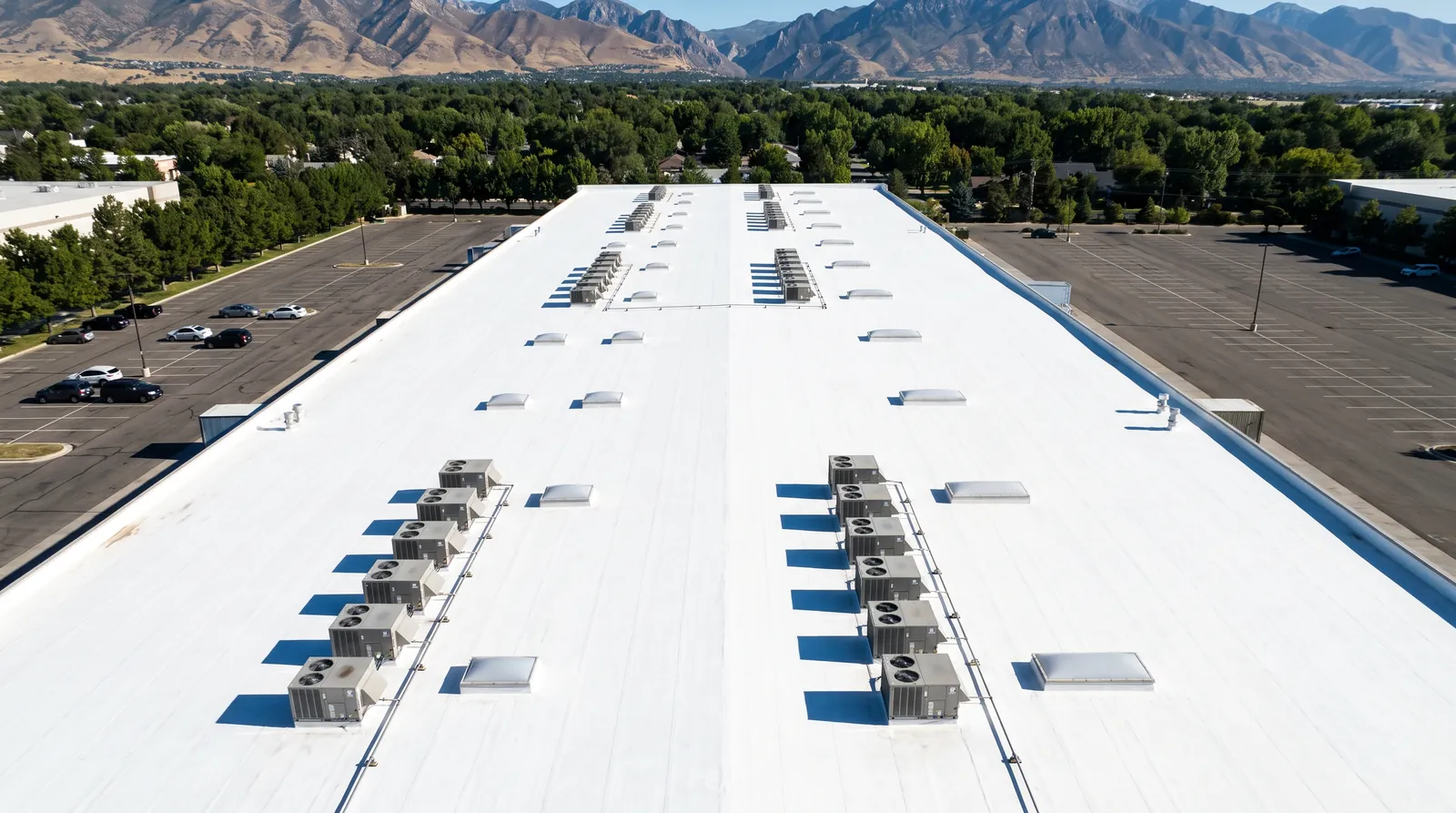
Decide building by building.
An assessment checks condition, drainage, moisture, and previous repairs. A roof that is mostly dry and will take a coating is a restoration candidate. A roof at the end of its life gets a replacement recommendation.
Uniflex, one of the systems RC Coatings installs, offers 10, 15, and 20-year labor and materials warranties, subject to the written warranty terms.
Run the numbers with the restoration vs. replacement estimator and the 30-year lifecycle planner. For cool-roof and waste reporting, see energy and sustainability.
Restoration vs. tear-off over a running plant
Steps only. Scope and timing are set by an assessment and planned around production.
Questions
Can you work while the plant is running?+
Often, yes, when we know the production, access, and safety limits. We plan around them and say what will be disrupted.
What about roof-mounted equipment and exhaust?+
Equipment curbs, penetrations, and exhaust areas are part of the assessment. Some areas need repair or a different detail before any coating.
Which roofs should go first?+
The ones over operations you cannot interrupt, then by condition. The planning guide outline shows a simple triage method.
Book a multi-site roof assessment
Book the first building on our scheduling page. List the other sites in the notes field and we will plan the walk order with you. Questions? Call (801) 515-3812.
Book a roof assessment